
You’ve just finished 18 months of braces. Your teeth are finally straight. Dr. Giardina removes your brackets, you run your tongue over your smooth teeth for the first time in over a year, and then you look in the mirror.
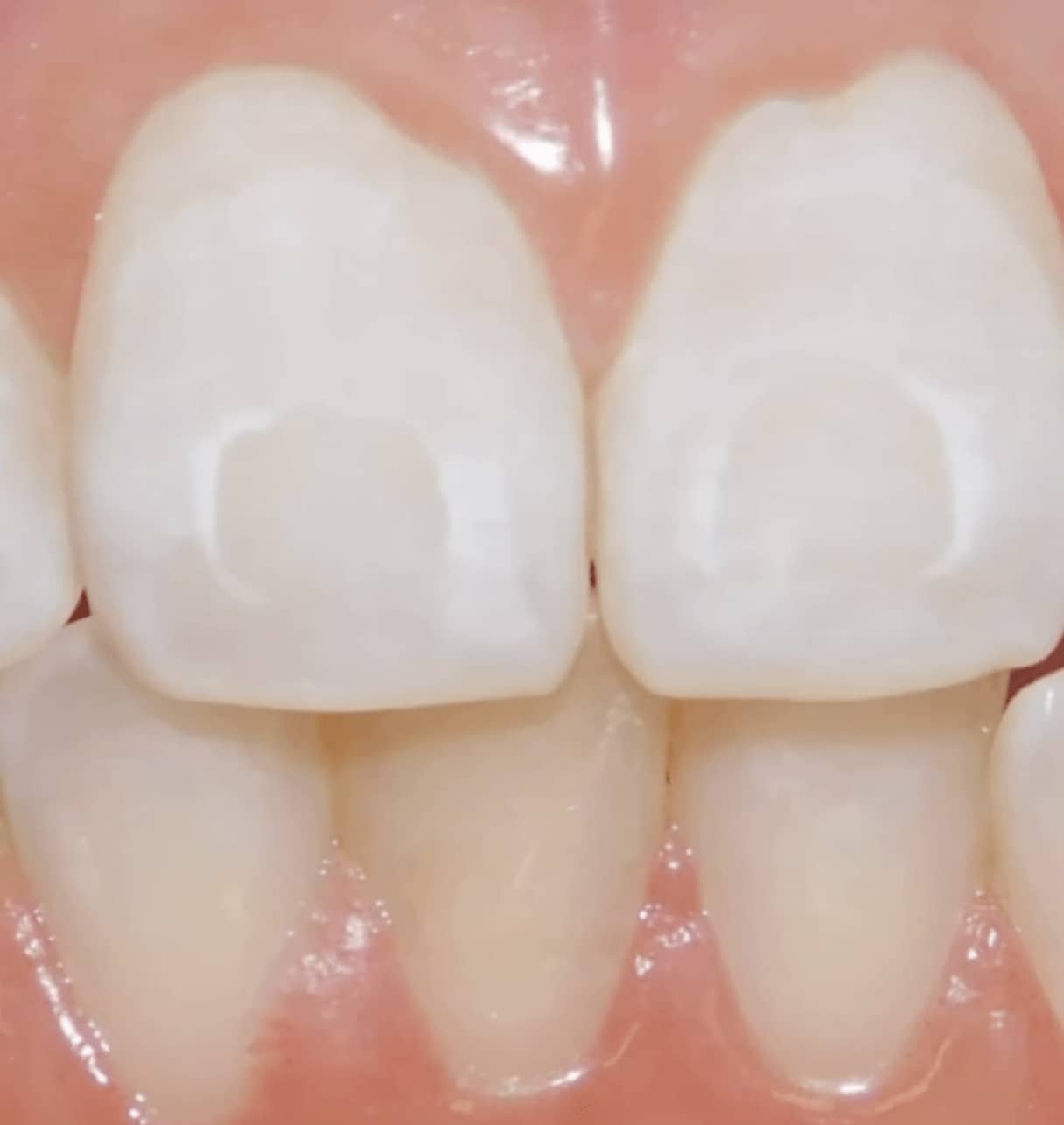
Instead of the flawless smile you’ve been imagining since your first appointment, you see chalky white squares outlining where each bracket used to be.
This happens to nearly half of all braces patients—and most people have no idea it’s even a risk until it’s too late.
Those white marks aren’t stains you can brush away. They’re permanent damage to your tooth enamel called decalcification, and once they form, they’re incredibly difficult to reverse. But here’s what most orthodontists in the Shenandoah Valley won’t tell you upfront: this is completely preventable.
At Giardina Orthodontics in Harrisonburg, Dr. Julia Giardina (Board-Certified Diplomate of the American Board of Orthodontics) has built her practice around one core principle: education first. Before we place a single bracket, we make sure every patient—from elementary schoolers in our Kids Club to adult professionals seeking Invisalign – understands exactly how to protect their teeth during treatment.
Because a straight smile with permanent white spots isn’t really the result anyone wants.
What You’ll Learn in This Guide
Understanding the Problem
- What white spots actually are (and why they’re permanent)
- The science behind enamel demineralization during braces
- Why nearly 50% of braces patients develop white spots
Prevention That Works
- Specific daily routines that keep teeth spot-free
- Why Harrisonburg teens face unique challenges
- The role of sweet tea, sports drinks, and Valley lifestyle
Dr. Giardina’s Approach
- Education-first philosophy at Giardina Orthodontics
- How board certification affects your care
- Same-day braces and white spot prevention
If Damage Already Occurred
- Treatment options available in Harrisonburg
- Realistic expectations for correction
- Cost considerations
What Your Orthodontist Should Tell You at Your First Appointment
This conversation should happen before you or your child gets braces—but often doesn’t:
“During your treatment, brackets and wires will create dozens of tiny spaces where food and plaque can hide. If that plaque sits on your teeth long enough, it produces acids that literally dissolve the minerals in your enamel. This creates those chalky white spots you might have seen on other people after braces.
This isn’t a maybe—it’s a definite risk. Research shows about 50% of braces patients develop some degree of these white lesions. The severity varies, but the cause is always the same: inadequate cleaning around brackets.
The good news? If you commit to the oral hygiene routine we’re about to teach you, your risk drops to nearly zero.”
That’s the conversation Dr. Giardina has with every new patient at our Harrisonburg office. No sugarcoating, no hoping patients will figure it out on their own—just honest education from day one.
The Science Behind White Spots (Without the Dental School Lecture)
Your mouth goes through some significant changes during braces treatment.
Your enamel—the hard outer layer of your teeth—is made up of minerals, primarily calcium and phosphate. When bacteria in plaque feed on sugars and starches, they produce acids as a waste product. These acids pull minerals out of your enamel through demineralization.
Normally, your saliva helps remineralize teeth by depositing minerals back into weakened areas. It’s a constant back-and-forth process that usually stays balanced.
But braces change this equation.
Brackets create physical barriers that prevent saliva from reaching certain areas of your teeth. Wires make flossing harder, so plaque accumulates between teeth. The result? Demineralization happens faster than remineralization can keep up, and those white spots start forming within weeks if oral hygiene isn’t meticulous.
Most people don’t realize this: white spots aren’t the same thing as cavities, but they’re the stage right before cavities form. If you catch demineralization early enough (when teeth are still smooth but showing white discoloration), you might be able to reverse it with aggressive remineralization therapy. Once the surface breaks down into an actual cavity, you need a filling.
This is why Dr. Giardina examines your teeth so carefully at every adjustment appointment—she’s looking for the earliest signs so we can intervene before permanent damage occurs.
Why Harrisonburg Teens Are Particularly at Risk
Teenagers in Harrisonburg face specific challenges when it comes to braces care:
The JMU Student Lifestyle
If you’re a college student getting braces or Invisalign, you’re juggling classes, studying at Carrier Library until late, grabbing quick meals between activities, and probably drinking more coffee and energy drinks than you should. It’s easy to skip brushing after lunch when you’re rushing to your next class.
Turner Ashby and Spotswood Athletes
Student athletes face unique challenges. You’re drinking sports drinks during practice (pure sugar), you’re exhausted after games, and proper brushing might be the last thing on your mind when you finally get home at 9 PM.
The Sweet Tea Culture
Sweet tea. In the Shenandoah Valley, sweet tea isn’t just a beverage—it’s a lifestyle. But for braces patients, constantly sipping sweet tea throughout the day is one of the fastest ways to develop white spots. Every sip feeds bacteria for another 20-30 minutes of acid production.
Busy Family Schedules
For younger patients, parents are shuttling kids between school, sports, music lessons, and activities all over Rockingham County. Finding time for thorough brushing three times a day gets challenging when your family is constantly on the go between Harrisonburg, Bridgewater, and Massanutten.
Dr. Giardina gets it. She’s not going to lecture teenagers about being perfect—she’s a mom herself and understands real life doesn’t always cooperate with ideal oral hygiene. That’s why we focus on practical strategies that actually work for busy Shenandoah Valley families.
The Prevention Strategy That Actually Works
Forget the generic “brush and floss” advice. This is the protocol Dr. Giardina’s patients follow to keep their smiles spot-free:
Morning Routine (5 minutes)
Step 1: Brush for 2 full minutes
Use a soft-bristled brush (electric is better) and angle it 45 degrees toward your gumline. Spend extra time on the areas between brackets and gums—that’s where white spots most commonly form.
Step 2: Floss every single tooth
Yes, with braces. Use a floss threader or orthodontic floss. This takes practice but gets faster with time. If you’re skipping this step, you’re basically guaranteeing white spots between your teeth.
Step 3: Rinse with fluoride mouthwash
30 seconds with an ACT or similar fluoride rinse helps remineralize any weakened areas overnight.
After Every Meal or Snack (2-3 minutes)
Minimum: Rinse vigorously with water for 30 seconds
Ideal: Quick brush focusing on food debris around brackets
Even just rinsing with water reduces the acid attack from food.
Before Bed (7-10 minutes)
Step 1: Brush for 2 full minutes
This is your most important brushing session. Bacteria multiply overnight, so going to bed with plaque on your teeth is asking for trouble.
Step 2: Floss thoroughly
Don’t rush this. Get between every tooth.
Step 3: Fluoride rinse
The fluoride sits on your teeth overnight, providing maximum protection.
Step 4: Water flosser (optional but recommended)
A Waterpik or similar device can reach areas traditional floss misses and helps keep gums healthy.
The Non-Negotiables
Fluoride toothpaste only: Don’t use whitening toothpaste during braces—you’ll end up with whiter teeth but dark spots where brackets blocked the whitener.
Limit sugary drinks: Water should be your default beverage. If you have soda, sweet tea, or sports drinks, have them with meals rather than sipping throughout the day.
Skip constant snacking: Every time you eat, bacteria produce acid for 20-30 minutes. Five snacks a day means your teeth are under acid attack for 2-3 hours.
Keep your appointments: Dr. Giardina needs to see you every 6-8 weeks to check for early warning signs.
What Sets Giardina Orthodontics Apart in White Spot Prevention
Most orthodontic offices hand you a toothbrush and a pamphlet and hope for the best. Dr. Giardina’s approach is different:
Education Before Hardware
At your initial consultation, before we even discuss treatment options, we walk you through what braces care actually involves. Some parents decide to wait until their child is more mature and responsible. That’s okay—our Kids Club observation program monitors development until the timing is right.
Hands-On Demonstration
We don’t just tell you how to brush with braces—we show you. On models. On your actual teeth. We make sure you can demonstrate proper technique before you leave your bonding appointment.
The Jerry Factor
Jerry, our therapy dog, makes orthodontic visits enjoyable. For kids who are anxious or resistant about appointments, Jerry transforms the experience. Kids who look forward to their appointments are more likely to follow through with care instructions between visits.
Same-Day Braces Option
Dr. Giardina offers same-day braces , meaning you can complete your consultation and get your brackets on in one visit. Why does this matter for white spot prevention? Because the education happens immediately before you get your braces, so the information is fresh and relevant rather than something you half-remember from weeks ago.
Board Certification Matters
Dr. Giardina is a Board-Certified Diplomate of the American Board of Orthodontics – a distinction earned by only about one-third of practicing orthodontists. This certification requires rigorous testing and demonstrated expertise in all aspects of orthodontic care, including prevention of treatment complications like white spots.
Her Master of Science in Dentistry from VCU and specialized research in pediatric sleep apnea mean she understands the complete picture of oral health, not just tooth movement.
If White Spots Already Formed: Treatment Options in Harrisonburg
Despite best efforts, sometimes white spots develop. Maybe you had a few weeks where brushing fell by the wayside, or maybe you’re genetically predisposed to weaker enamel. Treatment options include:
For Mild Cases: Remineralization Protocols
Professional fluoride treatments combined with prescription-strength fluoride toothpaste can sometimes improve the appearance of early white spots. This won’t eliminate them completely, but it can make them less obvious and strengthen the compromised enamel.
Dr. Giardina can coordinate with your general dentist in Harrisonburg to create a remineralization protocol tailored to your specific situation.
For Moderate Cases: Resin Infiltration (ICON Treatment)
This minimally invasive procedure fills the porous white spot areas with a tooth-colored resin, blending them with surrounding enamel. It takes about one appointment, requires no anesthesia, and preserves all of your natural tooth structure.
For Noticeable Cases: Professional Whitening
Sometimes the best approach is to whiten all your teeth so the white spots blend in with the rest of your smile. Professional whitening (done at your dentist’s office, not with drugstore strips) can reduce the contrast between white spots and normal enamel in many cases.
For Severe Cases: Microabrasion or Bonding
When white spots are deep or very obvious, your dentist might recommend microabrasion (gently removing a thin layer of enamel) or composite bonding (covering the affected areas with tooth-colored material). Veneers are a last resort for the most severe cases.
Important: All of these treatments cost hundreds to thousands of dollars and take additional time and appointments. Prevention is always better—and it’s free.
Real Families, Real Results in the Shenandoah Valley
Harrisonburg families who’ve completed treatment with Dr. Giardina:
Riley Demille
“We love them! They have taken very good care of my 9 year old and the office is so beautiful! All the staff members have been very kind and helpful! I couldn’t recommend enough!”
Hankthatank
“The braces they are putting on my teeth don’t hurt and are amazing, and are completely changing my teeth. They have a wide variety of colors you can pick from for rubber bands. Everyone is so kind and helpful. And there dog Jerry is amazing. They are the best orthodontist I have ever been to. If I got the chance to pick any orthodontist, I would pick this orthodontist. I highly recommend this place.”
Josefina Herrera
“Excellent service, very professional and friendly doctor, the reception girls are very kind and help you with all the information you need (they speak Spanish).”
With 1,300+ five-star Google reviews and seven “Best Orthodontist” awards, families throughout Rockingham County trust Dr. Giardina for a reason.
Questions Parents Ask About White Spots and Braces
My teenager isn’t great about brushing regularly. Should we wait on braces?
This is a legitimate concern. Dr. Giardina has honest conversations with parents about oral hygiene readiness. Sometimes the answer is to wait 6-12 months while working on building better habits. Our Kids Club program can monitor development in the meantime. Better to delay treatment than to end up with permanent white spots.
Is there a type of braces that makes white spots less likely?
Invisalign clear aligners are easier to clean around since you remove them for eating and brushing. However, if you’re not disciplined about brushing after every meal before putting aligners back in, you can actually trap food and bacteria against your teeth all day—making the problem worse. The difference isn’t actually the type of braces—it’s how well you clean around them.
How will I know if white spots are starting to form?
Early white spots look chalky and dull compared to the glossy, translucent appearance of healthy enamel. You might notice them around the edges of brackets or near the gumline. If you see anything concerning, contact our office immediately—catching it early dramatically improves the chances of reversing the damage.
My child plays sports and drinks Gatorade constantly. What should we do?
Switch to water during practice and save sports drinks for actual games or tournaments. Most athletes perform just as well with water for regular practices.
Can’t we just whiten the teeth after braces to fix white spots?
Whitening can help blend white spots with the rest of the smile, but it doesn’t eliminate them. The demineralized areas remain weaker and more susceptible to cavities. Prevention is always better than trying to hide the damage afterward.
How much extra time does proper braces care actually take?
Morning routine: 5 minutes
After-meal quick cleans: 2-3 minutes each
Evening routine: 7-10 minutes
Total: About 20-25 minutes per day. That’s less time than a typical TV show episode—and it’s the difference between a perfect smile and one with permanent white spots.
Does diet really make that much difference?
Patients who drink water as their primary beverage and avoid constant snacking develop white spots far less often than patients who sip soda or sweet tea all day. The frequency of sugar exposure matters more than the total amount.
What if we’re traveling and forget oral hygiene supplies?
Keep a travel kit in your car with a toothbrush, small toothpaste, and floss. Most convenience stores carry these items if you get caught without them. At minimum, vigorous water rinsing after meals provides some protection.

The Bottom Line: Prevention Beats Treatment Every Time
Treating white spots after they form costs money, takes time, and often doesn’t achieve perfect results. Prevention through proper oral hygiene during braces treatment costs nothing and works 100% of the time.
At Giardina Orthodontics, we’ve made education and prevention our priority. We’ve seen too many patients from other offices come to us with preventable white spot damage. Dr. Giardina believes every patient deserves to know the risks upfront and deserves the education and support to prevent problems.
We spend extra time at bonding appointments teaching proper technique, provide written care instructions and video resources, monitor teeth carefully at every adjustment, and intervene immediately if we see early warning signs. We work with local dentists to coordinate comprehensive care and offer same-day braces so education and treatment happen together.
Most of our patients complete treatment with healthy, spot-free teeth—not because they’re somehow more disciplined than patients at other offices, but because we give them the knowledge and support they need to succeed.
Ready to Start Your Braces Journey the Right Way?
If you’re researching orthodontic treatment in Harrisonburg, Bridgewater, Massanutten, or anywhere in the Shenandoah Valley, you deserve an orthodontist who prioritizes your long-term oral health—not just tooth movement.
Dr. Julia Giardina and her team at Giardina Orthodontics provide:
✅ Free consultations with honest assessment of treatment readiness
✅ Board-Certified expertise (Dr. Giardina is a Diplomate of the American Board of Orthodontics)
✅ Comprehensive education on preventing white spots and other complications
✅ Multiple treatment options including metal braces, ceramic braces, and Invisalign
✅ Same-day braces for families ready to start immediately
✅ Kids Club observation program for younger children not yet ready for treatment
✅ Flexible payment plans to fit your family budget
✅ A welcoming office with Jerry the therapy dog, coffee bar, and boutique atmosphere
Don’t risk permanent white spots with an orthodontist who doesn’t prioritize prevention. Contact our Harrisonburg office today to learn more about our education-first approach.
Visit Giardina Orthodontics in Harrisonburg
Giardina Orthodontics
2505-A Evelyn Byrd Ave.
Harrisonburg, VA 22801
Phone: (540) 433-8814
Office Hours:
Monday – Thursday: 8:00 AM – 5:00 PM
Serving the Shenandoah Valley:
Harrisonburg | Bridgewater |Massanutten| Dayton | Broadway | Elkton | McGaheysville | Penn Laird | Grottoes | Staunton | Mount Crawford | Pleasant Valley
Continue Learning About Braces Care
- Caring for Braces: Complete Guide – Brushing, flossing, eating tips
- Types of Braces Available – Metal, ceramic, Invisalign
- Early Treatment for Kids – Kids Club observation program
- Orthodontics for Teens – Treatment options for busy students
- Adult Orthodontics – It’s never too late for a confident smile
- Same-Day Braces – Consultation and bonding in one visit
- About Dr. Giardina – Board-Certified orthodontist